Living in Hiroshima
In recent years, prices in Japan have continued to rise, and consumer prices in Hiroshima Prefecture have also been increasing gradually. Even so, compared with major metropolitan areas such as Tokyo and Osaka, Hiroshima remains a relatively affordable and comfortable city to live in. The city offers well-developed public transportation and easy access to nature, making it attractive for its good balance between living costs and quality of life. Although living expenses in Japan are somewhat higher than in many other Asian countries, international students in Hiroshima can manage daily life without too much difficulty. For an international student living in Hiroshima, estimated monthly living expenses (excluding tuition) are approximately 100,000 to 120,000 yen.
Housing
International students at HSU usually choose from two housing options: to stay at one of the international student houses or to find private accommodation. Apartments are usually unfurnished in Japan. A student should expect to buy bedding, kitchenware, and other essentials. The tenant is required to pay an initial deposit of 2-3 months’ rent, some or all of which will be returned when the accommodation is vacated.
A day as an exchange student in Hiroshima
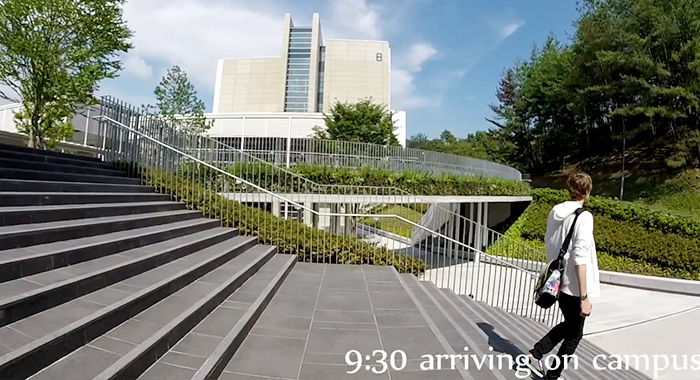
This is a short video giving an overview of a day in the life of an exchange student at Hiroshima Shudo University. It gives an insight into life in the iHouse, and on HSU campus.
Hiroshima City
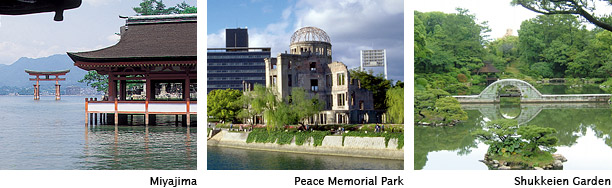
Hiroshima, known as the International City of Peace & Culture, has a population of over a million people and is located in the western part of Honshu, the largest of the Japanese islands. It faces the Seto Inland Sea, a national park area. Hiroshima developed on the delta of the River Ota, which flows through the city. The major industry of Hiroshima is automobile manufacturing. Hiroshima Bay is a centre for the cultivation of oysters. It takes about four hours to reach Hiroshima from Tokyo by bullet train. Hiroshima has its own international airport with direct links to Dalian, Beijing, Shanghai and Beijing in China, and to South Korea, Taiwan, Thailand and Vietnam. A flower festival is held in Hiroshima every May. More than 500,000 people from overseas visit Hiroshima every year.